Not Regular Mom, Cat Mom, Mom Svg Review
As a designer who spends hours evaluating digital assets for real-world production, I often find myself skeptical of designs that promise to be "just right" for everything. When I first encountered the Not Regular Mom, Cat Mom, Mom Svg, my initial reaction was cautious curiosity. It is categorized under T-Shirt Designs and Graphics, but in the world of machine embroidery, file type labels can be misleading. The true test of any design lies not in its marketing copy, but in how it translates from a flat vector or raster image into a tangible stitched product. In this review, I am putting this design through the wringer to see if it holds up when applied to custom apparel, baby items, and boutique merchandise.
The First Impression: Personality and Layout
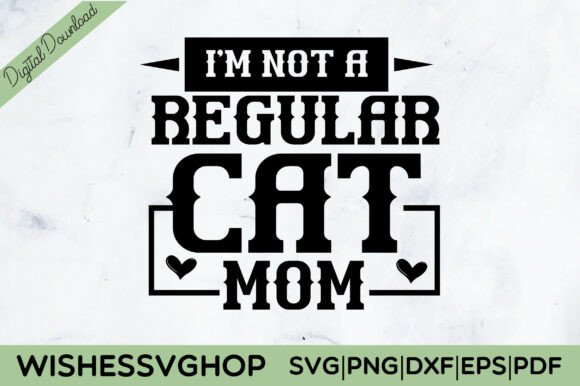
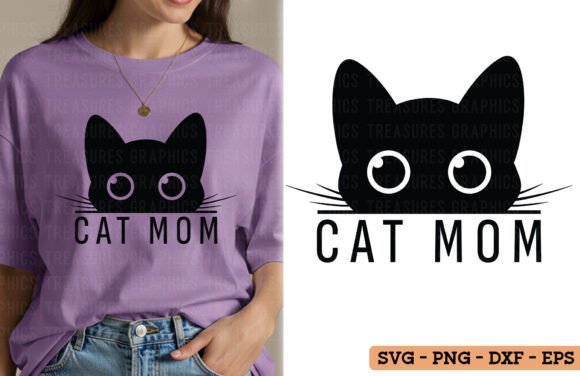
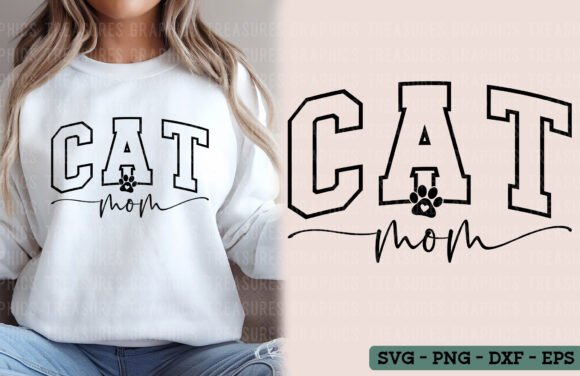
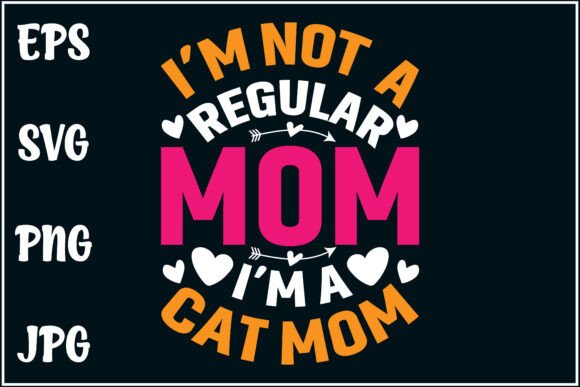
The immediate mood this design creates is one of playful confidence. The phrase "Not Regular Mom" paired with "Cat Mom" suggests a specific customer persona: someone who embraces their unique identity while acknowledging their love for felines. Visually, the layout appears balanced, avoiding the cluttered look that plagues many low-quality SVG files. For an embroidery project, the spacing between letters and the weight of the font are critical; they determine whether the final piece looks professional or amateurish. This design feels like it belongs on a soft, textured fabric where the stitches can settle naturally without fighting the material. It has a distinct visual personality that screams "handmade product" rather than mass-produced factory output.
However, before we dive into the stitching process, we must address the file structure. The product description notes that the files are compressed in one ZIP file and require extraction. While standard practice, this adds a layer of responsibility for the user. If you are an Etsy seller or a small business owner, ensuring your digital workflow is smooth is vital. A broken link or a corrupted extraction can delay a client order. Once extracted, the clarity of the lines becomes the primary concern. Does the design rely on tiny details that will get lost in the thread? Or does it have enough substance to stand out?
Real-World Application: From Screen to Stitch
Let's imagine a practical scenario. You are preparing a holiday gift for a client who runs a local cat rescue. They need a custom embroidered tote bag design to sell at a winter craft fair. You pull the Not Regular Mom, Cat Mom, Mom Svg into your digitizing software. The first thing you notice is how well the text flows. Unlike some jagged fonts that require excessive editing, this design seems ready for conversion into a machine embroidery design with minimal adjustment.
When testing this on a canvas tote bag, the design shines. The bold lettering ensures high visibility, making it perfect for a tote bag design where readability is key. However, the same cannot be said for every surface. If you were to attempt this on a baby onesie, you would need to be incredibly careful with the hoop size and stabilizer choice. Baby embroidery requires softer touches and less density to avoid irritating delicate skin. The design might work beautifully as a chest patch on a sweatshirt, offering a cozy, personalized gift feel, but applying it to a cap could be tricky due to the curved surface.
I also considered using this for kitchen towels or pillow covers. The text-heavy nature of the design makes it ideal for home decor items where the message is the focal point. Imagine a set of tea towels featuring this motif; it would add a charming, humorous touch to a modern kitchen. Yet, for a commercial embroidery project involving high-volume production, you must consider the stitch density. If the fill areas are too dense, the fabric might pucker, ruining the aesthetic of the finished product. Conversely, if the density is too light, the design may lack the richness expected by customers paying for handmade goods.
Navigating Technical Challenges and Limitations
No design is without its pitfalls, and understanding where Not Regular Mom, Cat Mom, Mom Svg should be used carefully is essential for maintaining brand consistency and customer trust. One major area of caution is small hoop sizes. If you attempt to stitch this on a very small item, such as a hat brim or a tiny accessory, the lettering might become illegible. The curves of the letters could merge, creating a muddy mess that looks unprofessional.
Texture is another factor. On highly textured fabrics like heavy wool or bouclé, the satin stitch might struggle to lay flat, resulting in uneven coverage. Thin fabrics present a different challenge; without proper stabilizer support, the tension of the threads could cause the material to gather or tear. Similarly, stretchy fabrics like jersey t-shirts require specific techniques to prevent the design from distorting during wear. If you are designing for a hoodie or a jumper, ensure you use a cutaway stabilizer to maintain the integrity of the embroidery over time.
Dense stitch areas are also worth noting. If the design includes decorative accents or detailed corners, these might not hold up well after frequent washing. Commercial embroidery projects often face rigorous durability standards. If the design relies on fine lines that are easily snagged, it may not be suitable for items that will be washed daily. Always inspect small details before committing to a full production run. A quick test on scrap fabric can save you from a costly mistake and protect your reputation as a reliable maker.
Design Notes for the Practical Maker
To ensure the best results with this graphics asset, I recommend a few practical steps. First, always test the design on scrap fabric that matches your final material. This allows you to gauge the thread colors and stitch density accurately. Check the contrast between the thread and the fabric; a dark design on a dark background might disappear, while a light design on a light background could fade into the weave. Using a black and white mockup can help visualize this contrast before you even start stitching.
Confirming the hoop size is non-negotiable. Ensure your machine can accommodate the dimensions of the design without cutting off parts of the text. If you are unsure about the file formats or specific stitch counts, check the product details thoroughly before purchasing. Many designers overlook the importance of verifying whether the design works for both personal and commercial projects. Licensing terms vary, and selling a finished item made from a design intended only for personal use can lead to legal issues.
Finally, consider the overall value the design brings to your product line. A well-executed embroidery project elevates a simple item into a premium good. The Not Regular Mom, Cat Mom, Mom Svg has the potential to do exactly that, provided it is handled with care. Whether you are creating an embroidered patch, a custom apparel piece, or a digital product preview for an Etsy listing, attention to detail is what separates a hobbyist from a professional. By respecting the limitations of the medium and leveraging the strengths of the design, you can create a finished product that resonates with buyers and stands the test of time.