Let the Good Times Roll Retro Cat Summer Review
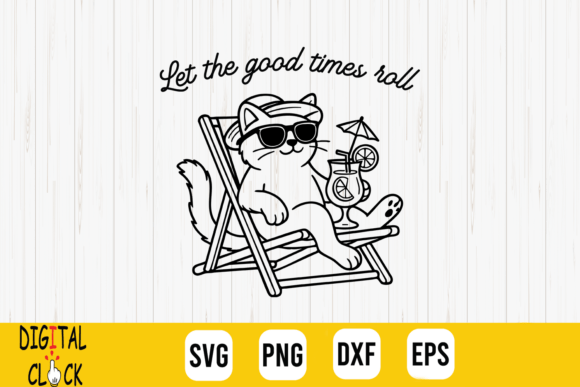
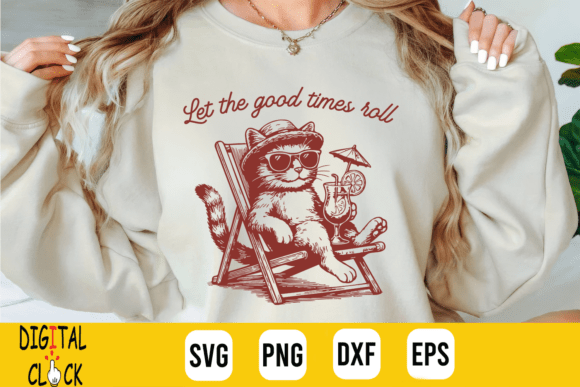
I have spent years stitching everything from delicate baby christening gowns to rugged workwear patches, and I know that a design looks great on a screen but can fall apart under the needle. When I first saw Let the Good Times Roll Retro Cat Summer, my initial reaction was a mix of nostalgia and skepticism. It hits that sweet spot of retro summer vibes with a sarcastic tabby cat meme aesthetic that is currently trending in the handmade market. But as an embroidery designer who cares about stitch density and fabric integrity, I needed to look past the cute SVG preview and ask: how does this actually perform when stitched onto real materials?
This review is not just about whether the file exists; it is about whether you should put your time and thread into this specific design for your next commercial or personal project. Whether you are an Etsy seller looking to boost your summer inventory or a crafter making a gift for a friend, the difference between a professional finish and a puckered mess often comes down to the source file's structure.
The First Stitch: Visual Personality and Mood
Let the Good Times Roll Retro Cat Summer carries a distinct energy. It feels like a beach day in 1975 mixed with modern internet humor. The layout is bold, which is exactly what you want for embroidery where fine lines can get lost. The phrase itself is catchy, and the inclusion of a tabby cat adds a layer of personality that resonates with pet lovers. In terms of visual appeal, the design screams "fun" without trying too hard. It creates a mood that is relaxed and slightly irreverent, making it perfect for casual wear rather than formal attire.
When I imagine this design on a finished product, it immediately suggests high engagement. Customers scrolling through a boutique shop or browsing craft fair tables will likely stop because the combination of a classic slogan and a trendy animal meme is visually arresting. It has the potential to be a conversation starter, which is crucial for any handmade product you intend to sell. However, the success of this embroidery project relies heavily on how well the details translate from digital vector to thread.
Real-World Application: From Screen to Stitches
To give you a practical perspective, let's imagine a real-life scenario. You are preparing a custom order for a local coffee shop owner who wants embroidered tote bags for their summer promotion. They want something fun that matches their brand's laid-back vibe. This is where Let the Good Times Roll Retro Cat Summer could shine. A tote bag made of canvas provides a sturdy base that can handle the weight of a fill stitch design without warping.
If I were to use this design for a sweatshirt embroidery project, I would place it on the chest area of a heather grey hoodie. The contrast between the dark thread and the light fabric would make the text pop, and the retro style would complement the cozy texture of the fleece. For a baby item, like a onesie or a bib, the design might need some adjustment. While the theme is playful, the "sarcastic" nature of the text might be lost on a baby, but parents buying gifts love these kinds of humorous touches. It works exceptionally well as a personalized gift for a teacher or a best friend heading on vacation.
I also see strong potential for this as a tote bag design or even a kitchen towel. The durability required for a tea towel means you need a design that won't fray after multiple washes. If the file includes proper satin stitches for the lettering and efficient fill stitches for the cat graphic, it could become a staple in a craft business lineup. It fits the niche of commercial embroidery where mass production requires designs that are robust yet stylish.
Where to Use It Carefully
While the design has broad appeal, there are specific scenarios where Let the Good Times Roll Retro Cat Summer requires caution. Embroidery is unforgiving, especially on difficult surfaces. If you attempt to stitch this on a curved surface like caps, you must ensure the design is digitized specifically for curved hoops. A flat design stretched over a cap brim can distort the text, making the "Let the Good Times Roll" message unreadable.
Similarly, be wary of using this on thin fabric or highly stretchy materials like jersey knit t-shirts without adequate stabilizer. The tension required to pull the threads tight can cause the fabric to pucker, ruining the clean look of the retro font. Small hoop sizes are another limitation; if the design contains intricate details in the cat's face or small decorative accents, shrinking it down to fit a tiny patch might result in a muddy, indistinct blob. Always check the stitch density before committing to a small size.
Dense stitch areas can also trap heat or create stiffness, which might be uncomfortable on a child's clothing or a delicate pillow cover. If the design includes tiny lettering, verify that the thread thickness allows it to remain legible. For dark fabric, you will need to consider underlay techniques to prevent the fabric from showing through the lighter threads, which can dull the visual impact of the design.
Technical Notes for the Discerning Designer
Before you load this file into your machine, there are several technical steps you must take to ensure a successful outcome. First and foremost, test the design on scrap fabric first. This is non-negotiable. You need to see how the thread colors interact with your chosen material and how the stabilizer supports the weight of the design.
Review the stitch types closely. Does the design rely too heavily on running stitch for large areas, or does it utilize satin stitch and fill stitch effectively? A good machine embroidery design balances these elements to minimize thread breaks and maximize durability. Check the hoop size requirements listed in the file information; if the design is larger than your machine's maximum hoop, you will need to split it, which can affect the alignment of the text and image.
Inspect small details under magnification. Sometimes, a design that looks perfect on a monitor loses its definition when stitched. If the file is provided in various formats like SVG, PNG, EPS, and DXF, remember that only the DXF or PES files are ready for direct embroidery. The others may require conversion, which can introduce errors. Confirm whether the design includes an applique design component, as this changes the entire approach to the stitching process.
Finally, always test it in black and white mockups to ensure the contrast holds up regardless of the color palette you choose. Compare light and dark fabric backgrounds to see how the design adapts. If you plan to sell finished items, confirm licensing terms explicitly. Many designers assume they own the rights to resell merchandise, but this varies by creator. Ensure you have the right to use design assets for Etsy listings or small shop products.
Final Verdict on Visual Appeal and Value
In conclusion, Let the Good Times Roll Retro Cat Summer is a promising asset for anyone looking to add a touch of whimsical nostalgia to their embroidery project. Its ability to convey a specific mood makes it a valuable tool for building a cohesive brand identity. When executed correctly, it elevates the perceived value of a finished product, turning a simple t-shirt or pillow into a statement piece.
It fosters customer trust by demonstrating attention to detail and quality. A well-stitched version of this design signals professionalism and care, which are essential for creative entrepreneurs and makers in today's competitive market. Whether you are creating holiday embroidery gifts, wedding gifts, or seasonal apparel decorators stock, this design offers versatility. Just remember to respect the limitations of the medium, prepare your fabrics properly, and always prioritize quality control. With the right preparation, this retro cat design can truly let the good times roll off your machine and onto your customers' favorite items.